Author: Madhusudan Somani

  • Unveiling the Science of Warmth: A Deep Dive into Knitted Thermal Insulation Fabric

    Unveiling the Science of Warmth: A Deep Dive into Knitted Thermal Insulation Fabric

    Welcome back to Fabricinfo.in, your ultimate guide to the world of textiles! As the chill of colder seasons sets in, our quest for warmth becomes paramount.

    Today, we’re exploring a remarkable category of materials designed specifically to keep us cozy: Knitted Thermal Insulation Fabrics. These aren’t just any warm fabrics; they are engineered textiles that leverage the unique properties of knitting to trap heat and provide exceptional comfort.

    Let’s delve into what makes these fabrics so effective and versatile.


    What is Knitted Thermal Insulation Fabric?

    At its core, a thermal insulation fabric is designed to reduce heat transfer from a warmer area (your body) to a colder area (the environment). Knitted thermal insulation fabrics achieve this primarily by trapping air.

    Air is a poor conductor of heat, making it an excellent insulator. The intricate looping structure of knitted fabrics is inherently adept at creating pockets where air can be held captive.

    These fabrics can be made from various fibers, both natural and synthetic, often in blends to optimize performance. The key is their construction and how that construction contributes to thermal regulation.


    The Science Behind the Warmth: How it Works

    The insulating power of these fabrics stems from a few key principles:

    1. Air Trapping: The primary mechanism. Knitted structures, especially those with bulkier yarns, brushed surfaces, or multi-layered designs, create countless tiny air pockets. These air pockets act as a barrier, slowing down the rate at which body heat escapes and cold air penetrates.
    2. Fiber Choice:
      • Natural Fibers (e.g., Wool, Cotton): Wool is an excellent natural insulator due to its crimped fibers that trap air. It also has the advantage of retaining some insulating properties even when wet. Cotton can provide warmth but is less effective when damp.
      • Synthetic Fibers (e.g., Polyester, Acrylic, Polypropylene): These are often engineered for superior thermal performance. They are lightweight, durable, hydrophobic (water-repelling), and can be processed to create hollow fibers or brushed surfaces that enhance air trapping.
    3. Fabric Thickness and Density: Generally, a thicker, denser knitted fabric will provide better insulation because it can trap more air. However, modern technologies also focus on achieving warmth with minimal bulk.
    4. Surface Finish (Brushing/Napping): Many thermal knits, like fleece, undergo a brushing process on one or both sides. This raises the fiber ends, creating a soft, fuzzy pile that significantly increases the fabric’s ability to trap air and feel warm against the skin.

    Types and Structures of Knitted Thermal Insulation Fabrics

    The versatility of knitting allows for various constructions, each optimized for specific levels of warmth and application:

    1. Fleece (Brushed-Back Knit):
      • Description: Perhaps the most common thermal knit. It starts as a loopknit (like French Terry), and then the loops on the back side are heavily brushed to create a dense, soft pile that traps a significant amount of air.
      • Examples: PC 3-Thread Fleece, Microfleece, Polar Fleece.
      • Characteristics: Excellent warmth-to-weight ratio, very soft, relatively quick-drying (especially polyester versions), durable.
      • Uses: Hoodies, sweatshirts, sweatpants, jackets, blankets, linings.
    2. Rib Knits:
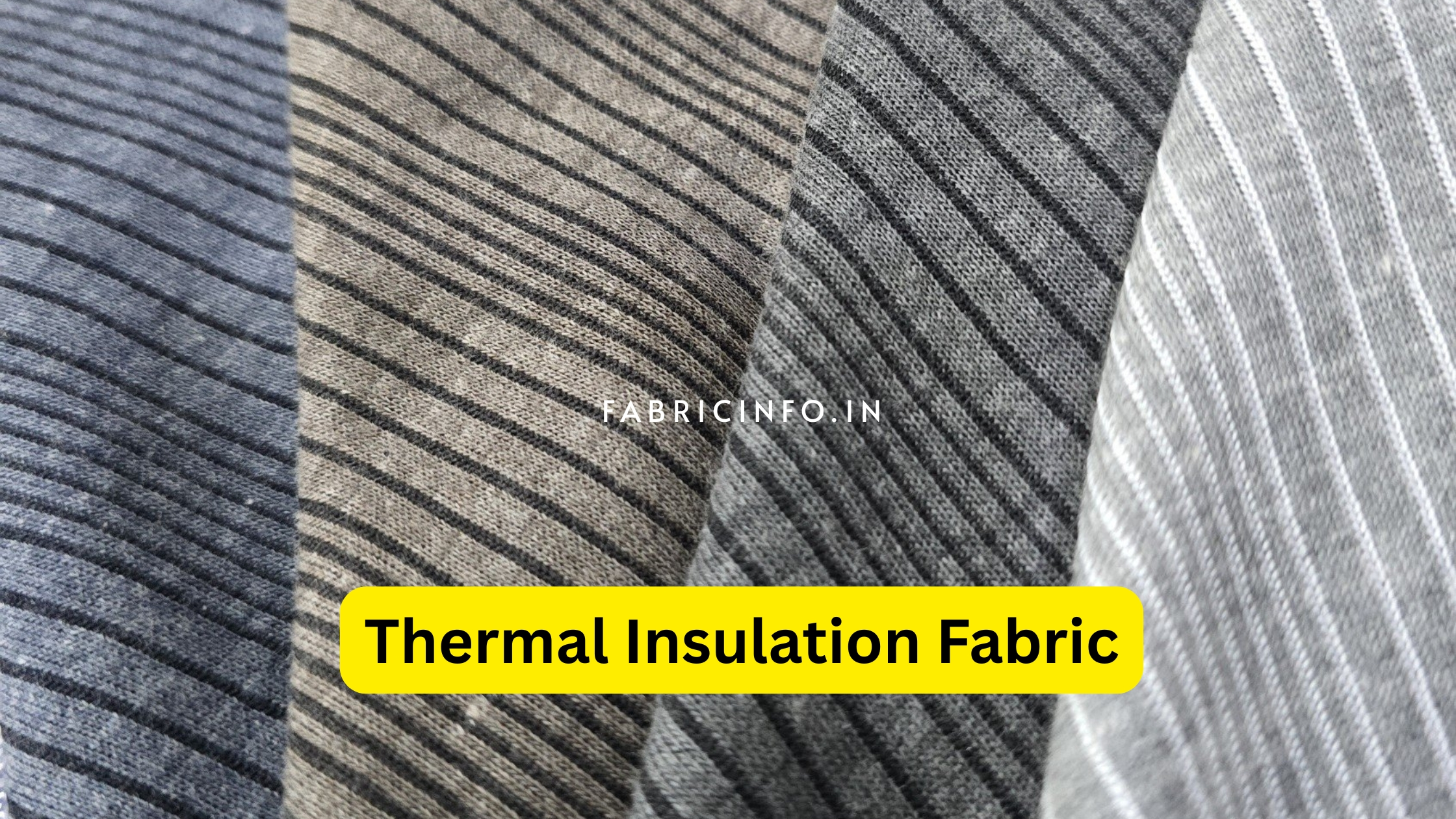
      • Description: Characterized by vertical columns of stitches that create a textured, stretchy fabric. The inherent thickness and raised channels can trap air, offering good insulation, especially in thicker gauges.
      • Characteristics: High elasticity and excellent recovery, comfortable, durable.
      • Uses: Sweaters, cuffs, collars, base layers, children’s wear.
    3. Interlock Knits:
      • Description: A double-knit fabric where two single knits are interlocked. This creates a fabric that is essentially two layers of jersey knit joined together, making it thicker and more stable than a single jersey.
      • Characteristics: Smooth on both sides, very stable, less likely to curl, good insulation due to double layer.
      • Uses: Quality t-shirts, polo shirts, children’s wear, some base layers.
    4. Waffle Knits (Thermal Knits):
      • Description: Named for its characteristic three-dimensional grid or “waffle” texture. This structure creates air pockets within the recessed squares.
      • Characteristics: Excellent air-trapping capabilities, good stretch, soft, absorbent.
      • Uses: Classic thermal underwear, long johns, casual tops, blankets.
    5. Double Knits (General):
      • Description: A broad category of knits where two sets of needles create two layers of fabric that are often interlocked. This naturally results in a thicker, more stable fabric.
      • Examples: Ponte di Roma, Scuba (can be insulating due to density).
      • Characteristics: Good body, less prone to stretching out of shape, can offer significant warmth.
      • Uses: Heavier dresses, structured tops, jackets, activewear.

    Fiber Blends for Optimal Performance

    To achieve the perfect balance of warmth, comfort, durability, and moisture management, knitted thermal fabrics often use blends:

    • Polyester-Cotton (PC): Combines the softness and breathability of cotton with the durability and quick-drying properties of polyester. (e.g., PC 3T Fleece)
    • Polyester-Spandex/Lycra: Adds stretch and shape retention, crucial for form-fitting thermal base layers.
    • Wool Blends: Wool provides natural warmth and moisture-wicking; blending with synthetics can improve durability and reduce itchiness.
    • Specialty Synthetics: Brands often use proprietary hollow-core fibers or advanced polyester variants that mimic natural insulation while being lightweight and hydrophobic.

    Applications Across Industries

    Knitted thermal insulation fabrics are indispensable in a wide array of products:

    • Apparel:
      • Base Layers (Thermals): Worn directly against the skin to wick moisture and provide initial warmth.
      • Mid-Layers: Fleece jackets, sweaters, and hoodies that add a layer of insulation over a base layer.
      • Loungewear & Sleepwear: For ultimate comfort and warmth at home.
      • Activewear & Outdoor Gear: Essential for sports in cold conditions, hiking, and mountaineering.
    • Home Textiles: Blankets, throws, and even some mattress toppers for added warmth.
    • Accessories: Hats, scarves, gloves, and headbands.

    Caring for Your Thermal Knits

    Care instructions will depend on the fiber content, but general tips to maintain insulating properties include:

    • Washing: Wash in cold or warm water on a gentle cycle. Turning garments inside out can protect brushed surfaces.
    • Detergent: Use a mild detergent. Avoid fabric softeners with fleece, as they can reduce its air-trapping ability over time.
    • Drying: Tumble dry on a low heat setting or air dry. High heat can damage synthetic fibers and cause shrinkage in natural fibers.
    • Avoid Ironing: Especially for brushed fabrics like fleece, ironing can flatten the pile and reduce its insulating effectiveness.

    Conclusion

    Knitted thermal insulation fabrics are marvels of textile engineering, demonstrating how smart construction and fiber selection can create warmth and comfort without excessive bulk. From the plush softness of a fleece hoodie to the subtle texture of a waffle knit thermal, these fabrics play a crucial role in keeping us comfortable in cooler climates. Understanding their properties helps us appreciate the science behind our favorite cozy garments.

    Stay warm, and keep exploring the wonderful world of fabrics with Fabricinfo.in!
  • The Warmth and Endurance of PC 3-Thread Fleece Fabric 🧤

    The Warmth and Endurance of PC 3-Thread Fleece Fabric 🧤

    Welcome back to Fabricinfo.in! As the weather cools, the demand for warm, cozy, yet durable textiles rises. Today, we’re doing a deep dive into a fabric that perfectly balances comfort, strength, and affordability: PC 3-Thread (3T) Fleece Fabric. This material is a powerhouse in the cold-weather garment industry, forming the backbone of everything from essential hoodies to robust track pants.

    Let’s break down the components of this popular knitted textile.


    Deconstructing the Fabric Name

    The name PC 3-Thread Fleece tells you exactly what it’s made of and how it’s constructed:

    1. PC (Polyester-Cotton Blend):
      • Polyester (P): This synthetic component provides the fabric with durability, excellent wrinkle resistance, and dimensional stability. It helps the fabric maintain its shape, resist shrinking, and dry quickly. It also contributes to color fastness.
      • Cotton (C): The natural fiber component adds softness, breathability, and a comfortable natural hand-feel against the skin. The blend mitigates some of polyester’s potential stiffness, resulting in a fabric that feels pleasant and cozy.
    2. 3-Thread (3T):
      • This refers to the knitting technique used on a circular knitting machine. Unlike a standard jersey or 2-thread knit, 3-thread fleece uses three different yarns to form the fabric loop structure:
        • Face Yarn: Forms the smooth, outer surface of the fabric (usually the cotton-dominant blend).
        • Tying Yarn: Securely binds the face yarn and the fleece yarn together.
        • Fleece Yarn (or Loop Yarn): A thicker, softer yarn that creates the distinctive loops on the back side of the fabric.
      • The use of three yarns results in a heavier, thicker, and more substantial fabric compared to lighter knits, making it superior for thermal insulation.
    3. Fleece:
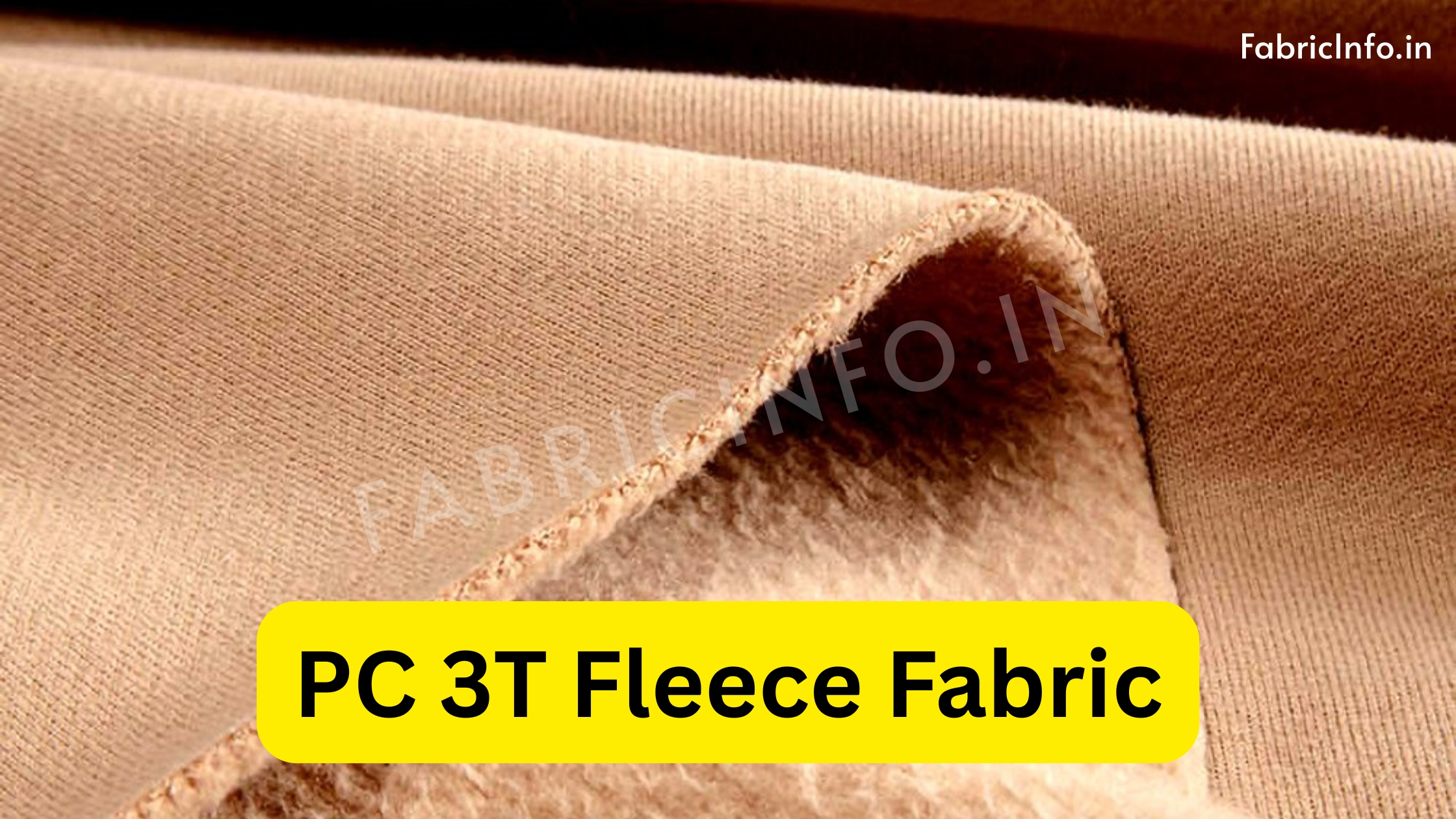
      • In the context of this specific knit, “fleece” indicates that the loops on the back side (the fleece yarn) have been brushed (or napped).
      • This brushing process breaks open the yarn loops and raises the fibers, creating a fluffy, soft pile. This textured layer significantly traps air, which is the key to providing excellent insulation and warmth.

    Key Properties and Advantages

    The engineered blend and construction give PC 3T Fleece a highly desirable profile:

    • Exceptional Warmth: The thick 3-thread construction combined with the brushed fleece backing provides superior thermal insulation, making it perfect for cold weather.
    • Comfort and Softness: The cotton content on the face and the brushed fibers on the back ensure a plush, soft, and comfortable wear.
    • Durability and Resilience: The polyester component makes the fabric strong, pill-resistant (though pilling can still occur with heavy wear), and less prone to stretching or shrinking.
    • Structured Drape: It possesses a good weight and body, giving garments a structured, premium look rather than a flimsy drape.
    • Easy Care: As a blend, it’s generally easier to wash and dry than 100% cotton fleece and is fairly wrinkle-resistant.
    • Affordability: Polyester-cotton blends are often more cost-effective than 100% natural fiber fleeces, offering great value for performance.

    Common Uses and Applications

    PC 3T Fleece is a staple for garments designed to offer warmth and longevity:

    • Hoodies and Sweatshirts: Its primary use, providing optimal comfort and insulation.
    • Sweatpants and Joggers: Used for creating warm, durable, and comfortable athletic or loungewear bottoms.
    • Jackets and Outerwear: Suitable for mid-weight jackets, vests, and lining for heavier coats.
    • Kids’ Winter Wear: Valued for its durability, warmth, and ease of cleaning for active children.
    Fleece

    Understanding Different Weights

    PC 3T Fleece is typically categorized by its weight, which influences its application:

    Weight Range (GSM)Typical UseCharacteristics
    280 – 320 GSMLight-to-MidweightIdeal for year-round hoodies, track suits, and climates with moderate cold.
    330 – 380 GSMHeavyweightPerfect for cold winters, premium sweatshirts, and structured outerwear.

    Care Tips for PC 3T Fleece

    To keep your PC 3T Fleece garments looking great and feeling soft:

    1. Washing: Turn the garment inside out before washing. This protects the fleece side from friction, minimizing pilling. Machine wash with cold or warm water on a gentle cycle.
    2. Detergent: Use a mild detergent.
    3. Drying: Tumble dry on a low heat setting. High heat can damage the polyester fibers and make the cotton shrink. Air drying is always the safest option to prolong the fabric’s life.
    4. Avoid: Do not iron the fleece side, as the heat can flatten the pile and damage the fabric’s softness and insulating properties. Avoid harsh chemical cleaners or bleach.

    PC 3T Fleece fabric truly offers the best of both worlds: the comfortable touch of cotton and the long-lasting performance of polyester, all wrapped up in a cozy, insulating, three-dimensional knit. It’s a workhorse of a fabric that belongs in every cold-weather wardrobe!

  • The Sophisticated Texture of Full Dull Sap Matty Fabric: A Deep Dive

    The Sophisticated Texture of Full Dull Sap Matty Fabric: A Deep Dive

    Welcome back to Fabricinfo.in! Today, we’re unraveling the unique characteristics of a fabric that’s gaining popularity for its understated elegance and robust nature: Full Dull Sap Matty Fabric. This material stands out in a world often dominated by shiny synthetics, offering a sophisticated, non-reflective finish coupled with an appealing texture.

    Let’s break down each component of its name to understand what makes this fabric so special.

    Deconstructing the Name: What is Full Dull Sap Matty?

    1. Full Dull: This term directly describes the fabric’s aesthetic. “Full Dull” indicates that the fibers used in its construction have been treated during manufacturing to significantly reduce or eliminate any natural luster or sheen. Unlike glossy polyesters or satins, Full Dull fabrics absorb light rather than reflecting it, resulting in a completely matte, non-shiny surface. This gives the fabric a high-end, sophisticated, and less synthetic appearance, making it a favorite for professional and casual wear alike.
    2. Sap: This is the most enigmatic part of the name, as “Sap” is not a standard, universally recognized textile term for a fiber or a specific chemical treatment. In the context of “Sap Matty,” it likely refers to a proprietary finish or a specific blend (perhaps with a natural fiber component, or a specific treatment to synthetic fibers) that imparts a unique, slightly crisp, or dry “hand-feel” (the way the fabric feels when touched) that complements the matty texture. It suggests a particular quality that contributes to the fabric’s distinct touch and drape.
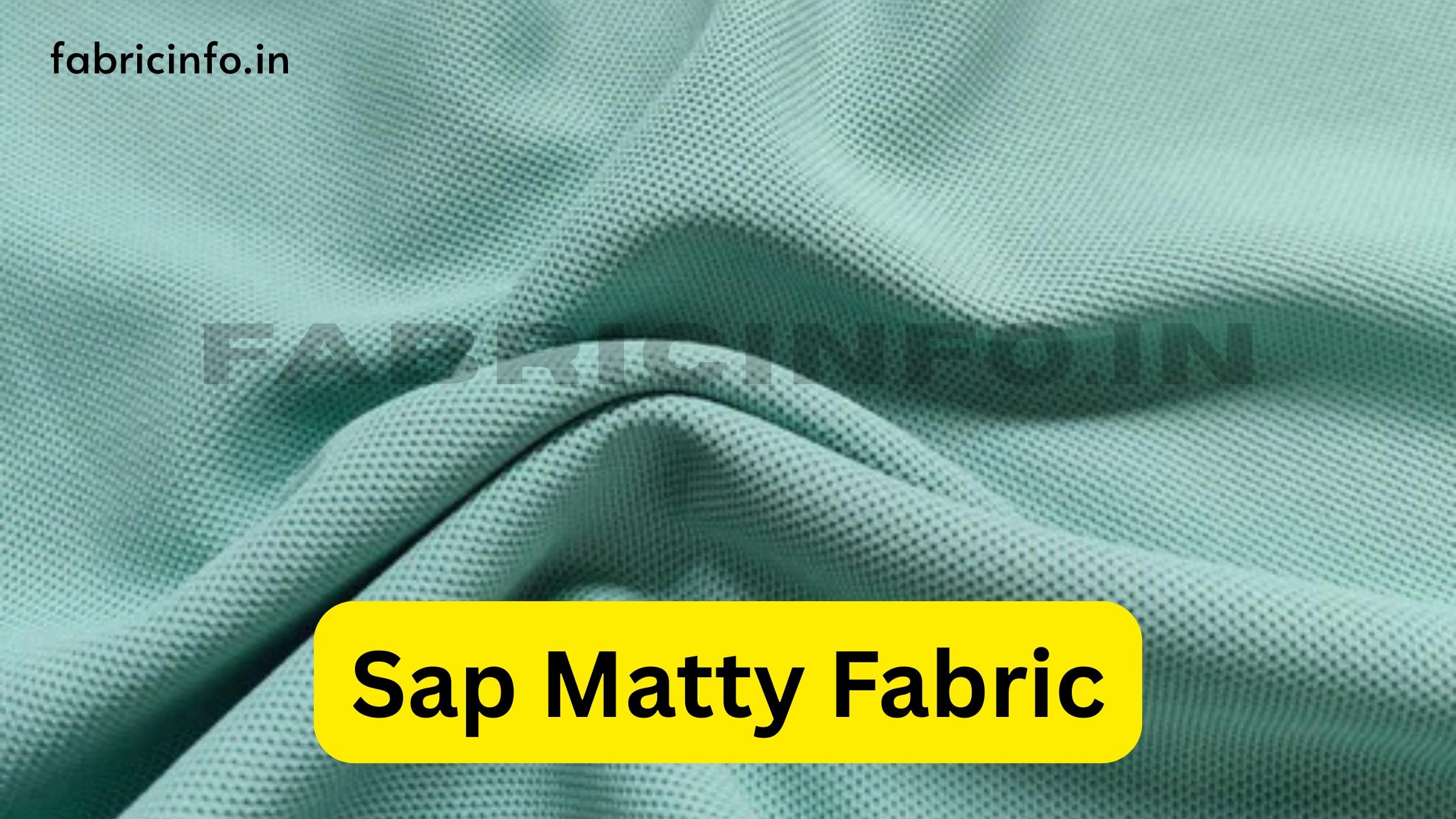
    3. Matty: This refers to the knitting structure of the fabric. “Matty” typically describes a basket knit or a similar construction where threads are knitted together as a single unit, creating a distinct, somewhat coarse, and textured surface. Think of it as a subtly visible grid or an even, pebbled effect. This knit contributes significantly to:
      • Texture: Providing a tactile and visual interest that sets it apart from plain weaves.
      • Body & Drape: Often giving the fabric a more structured body, making it ideal for garments that require some form.
      • Breathability: The looser intersections of the matty knit can allow for better air circulation compared to very tight plain weaves.

    Key Properties and Characteristics

    When combined, these elements create a fabric with a distinctive set of attributes:

    • Sophisticated Matte Finish: Its primary appeal lies in its complete lack of shine, offering a refined, understated look. This makes it highly versatile for formal, business, and casual attire.
    • Unique Textured Surface: The matty knit provides a subtle yet noticeable texture that adds depth and character to garments, preventing them from looking flat or bland.
    • Good Drape and Body: While “dull,” the knit structure often gives it a decent body and a clean, structured drape, which is excellent for tailored garments.
    • Durability: Often made with synthetic fibers (like polyester) that are inherently strong and resistant to abrasion, making it long-lasting.
    • Opacity: The dense knit and dull finish contribute to good opacity, reducing transparency.
    • Crease Resistance: Depending on the fiber content (especially if polyester-dominant), it tends to be fairly wrinkle-resistant, making it easy to care for.
    • Versatility: Its balanced properties make it suitable for a wide range of applications across fashion and even some home textiles.
    Smooth matte finish of full dull sap matty fabric

    Manufacturing Process (Briefly)

    The creation of Full Dull Sap Matty fabric typically involves:

    1. Fiber Extrusion & Modification: For synthetic versions (most common), polymer fibers are extruded and then treated with delustering agents (like titanium dioxide) during the spinning process to make them “full dull” from the outset.
    2. Yarn Preparation: These dull fibers are spun into yarns.
    3. Knitting: The yarns are then knitted using a specific “matty” knit pattern (e.g., basket knit) to create the characteristic texture.
    4. Dyeing and Water Weaking: Post knitting, the fabric undergo dyeing process. It may undergo additional water weaking process which makes the fabric absorb water on it’s surface (like a cotton fabric).
    5. Finishing: Post dyeing, the fabric may undergo additional finishing processes that contribute to the “Sap” feel, enhancing its specific hand-feel, stability, and overall appearance. This could involve heat setting, compacting, or specialized chemical treatments.

    Common Uses and Applications

    The unique aesthetic and performance attributes of Full Dull Sap Matty fabric make it highly sought after for various products:

    • Apparel:
      • Trousers and Skirts: Its structured drape and professional look make it excellent for tailored bottom wear.
      • Uniforms: Ideal for corporate or service industry uniforms due to its durability, professional appearance, and ease of maintenance.
      • Casual Wear: Can be used for comfortable yet stylish Polo T-shirts, everyday shirts, dresses, and light outerwear.
    • Accessories: Tote bags, backpacks, and other fabric-based accessories benefit from its durability and matte finish.
    • Home Furnishings (lighter weights): Decorative cushions, light upholstery, or curtain accents where a refined, textured look is desired.
    Polo tshirts made in Sap Matty fabric

    Caring for Your Full Dull Sap Matty Garments

    Care instructions will vary slightly based on the exact fiber composition (e.g., 100% polyester vs. blends). However, general guidelines often include:

    • Washing: Machine wash cold with like colors on a gentle cycle.
    • Detergent: Use a mild detergent.
    • Bleach: Avoid chlorine bleach, as it can damage synthetic fibers and affect the finish.
    • Drying: Tumble dry on a low heat setting, or preferably line dry to preserve its texture and shape.
    • Ironing: If needed, iron on a low-to-medium setting. A pressing cloth might be beneficial to protect the surface, especially if it’s a synthetic blend.

    Conclusion

    Full Dull Sap Matty fabric is a testament to how specific treatments and knit structures can transform textiles. Its combination of a non-reflective, sophisticated matte finish with an engaging “matty” texture and unique “sap” hand-feel makes it a standout choice. For designers seeking a fabric that offers both aesthetic appeal and practical durability, and for consumers looking for comfortable, stylish, and low-maintenance garments, Full Dull Sap Matty is an excellent and increasingly popular option.

    Stay tuned to Fabricinfo.in for more insights into the fascinating world of fabrics!