Category: Fleece

  • The Warmth and Endurance of PC 3-Thread Fleece Fabric 🧤

    The Warmth and Endurance of PC 3-Thread Fleece Fabric 🧤

    Welcome back to Fabricinfo.in! As the weather cools, the demand for warm, cozy, yet durable textiles rises. Today, we’re doing a deep dive into a fabric that perfectly balances comfort, strength, and affordability: PC 3-Thread (3T) Fleece Fabric. This material is a powerhouse in the cold-weather garment industry, forming the backbone of everything from essential hoodies to robust track pants.

    Let’s break down the components of this popular knitted textile.


    Deconstructing the Fabric Name

    The name PC 3-Thread Fleece tells you exactly what it’s made of and how it’s constructed:

    1. PC (Polyester-Cotton Blend):
      • Polyester (P): This synthetic component provides the fabric with durability, excellent wrinkle resistance, and dimensional stability. It helps the fabric maintain its shape, resist shrinking, and dry quickly. It also contributes to color fastness.
      • Cotton (C): The natural fiber component adds softness, breathability, and a comfortable natural hand-feel against the skin. The blend mitigates some of polyester’s potential stiffness, resulting in a fabric that feels pleasant and cozy.
    2. 3-Thread (3T):
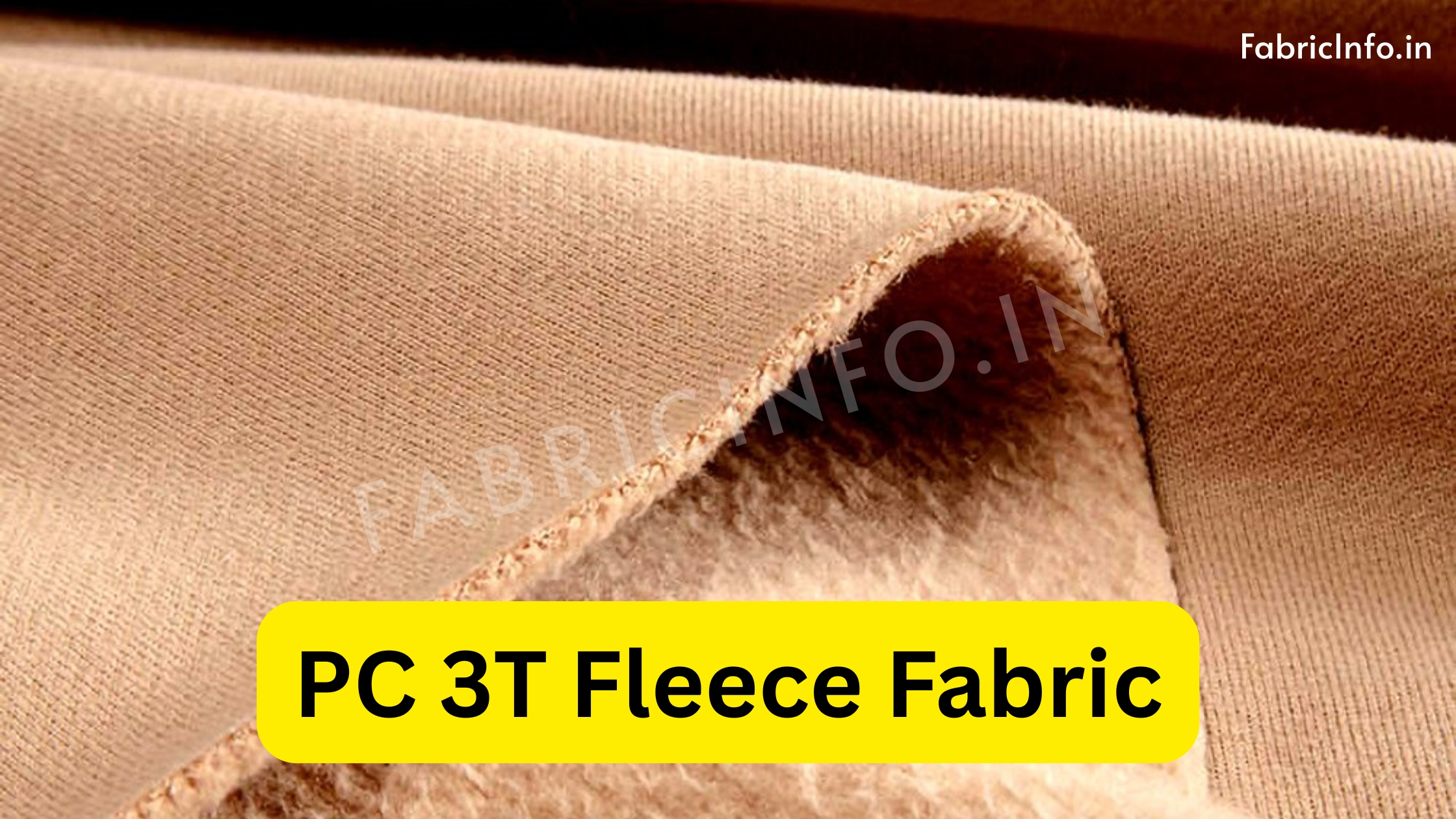
      • This refers to the knitting technique used on a circular knitting machine. Unlike a standard jersey or 2-thread knit, 3-thread fleece uses three different yarns to form the fabric loop structure:
        • Face Yarn: Forms the smooth, outer surface of the fabric (usually the cotton-dominant blend).
        • Tying Yarn: Securely binds the face yarn and the fleece yarn together.
        • Fleece Yarn (or Loop Yarn): A thicker, softer yarn that creates the distinctive loops on the back side of the fabric.
      • The use of three yarns results in a heavier, thicker, and more substantial fabric compared to lighter knits, making it superior for thermal insulation.
    3. Fleece:
      • In the context of this specific knit, “fleece” indicates that the loops on the back side (the fleece yarn) have been brushed (or napped).
      • This brushing process breaks open the yarn loops and raises the fibers, creating a fluffy, soft pile. This textured layer significantly traps air, which is the key to providing excellent insulation and warmth.

    Key Properties and Advantages

    The engineered blend and construction give PC 3T Fleece a highly desirable profile:

    • Exceptional Warmth: The thick 3-thread construction combined with the brushed fleece backing provides superior thermal insulation, making it perfect for cold weather.
    • Comfort and Softness: The cotton content on the face and the brushed fibers on the back ensure a plush, soft, and comfortable wear.
    • Durability and Resilience: The polyester component makes the fabric strong, pill-resistant (though pilling can still occur with heavy wear), and less prone to stretching or shrinking.
    • Structured Drape: It possesses a good weight and body, giving garments a structured, premium look rather than a flimsy drape.
    • Easy Care: As a blend, it’s generally easier to wash and dry than 100% cotton fleece and is fairly wrinkle-resistant.
    • Affordability: Polyester-cotton blends are often more cost-effective than 100% natural fiber fleeces, offering great value for performance.

    Common Uses and Applications

    PC 3T Fleece is a staple for garments designed to offer warmth and longevity:

    • Hoodies and Sweatshirts: Its primary use, providing optimal comfort and insulation.
    • Sweatpants and Joggers: Used for creating warm, durable, and comfortable athletic or loungewear bottoms.
    • Jackets and Outerwear: Suitable for mid-weight jackets, vests, and lining for heavier coats.
    • Kids’ Winter Wear: Valued for its durability, warmth, and ease of cleaning for active children.
    Fleece

    Understanding Different Weights

    PC 3T Fleece is typically categorized by its weight, which influences its application:

    Weight Range (GSM)Typical UseCharacteristics
    280 – 320 GSMLight-to-MidweightIdeal for year-round hoodies, track suits, and climates with moderate cold.
    330 – 380 GSMHeavyweightPerfect for cold winters, premium sweatshirts, and structured outerwear.

    Care Tips for PC 3T Fleece

    To keep your PC 3T Fleece garments looking great and feeling soft:

    1. Washing: Turn the garment inside out before washing. This protects the fleece side from friction, minimizing pilling. Machine wash with cold or warm water on a gentle cycle.
    2. Detergent: Use a mild detergent.
    3. Drying: Tumble dry on a low heat setting. High heat can damage the polyester fibers and make the cotton shrink. Air drying is always the safest option to prolong the fabric’s life.
    4. Avoid: Do not iron the fleece side, as the heat can flatten the pile and damage the fabric’s softness and insulating properties. Avoid harsh chemical cleaners or bleach.

    PC 3T Fleece fabric truly offers the best of both worlds: the comfortable touch of cotton and the long-lasting performance of polyester, all wrapped up in a cozy, insulating, three-dimensional knit. It’s a workhorse of a fabric that belongs in every cold-weather wardrobe!
  • Spun Polyester Fleece Fabric: Your Go-To Guide for Warmth, Comfort, and Versatility

    Spun Polyester Fleece Fabric: Your Go-To Guide for Warmth, Comfort, and Versatility

    Welcome back to Knitted Fabric.in! As textile enthusiasts and consumers in India, we’re always on the lookout for fabrics that offer the perfect blend of comfort, warmth, and practicality. One such fabric that has become a staple in wardrobes across the country, especially during cooler months, is spun polyester fleece fabric.

    You’ve undoubtedly encountered it in countless forms – from cosy blankets and hoodies to soft tracksuits and activewear. But what exactly is spun polyester fleece, and what makes it such a popular choice? Let’s unravel the secrets of this incredibly versatile knitted fabric.


    What is Spun Polyester Fleece Fabric?

    At its core, spun polyester fleece fabric is a type of knitted fabric made from polyester fibres that have undergone a “spinning” process. Let’s break that down:

    1. Polyester: This is a synthetic (man-made) fibre. It’s known for its durability, resistance to shrinking and stretching, quick-drying properties, and ability to hold dyes well.
    2. Spun: Unlike filament polyester (which is a continuous, smooth strand), “spun” polyester means the polyester fibres are first cut into short lengths (called staple fibres), then spun together to create a yarn, much like how natural fibres like cotton are spun. This gives the yarn a softer, more textured, and less slippery feel.
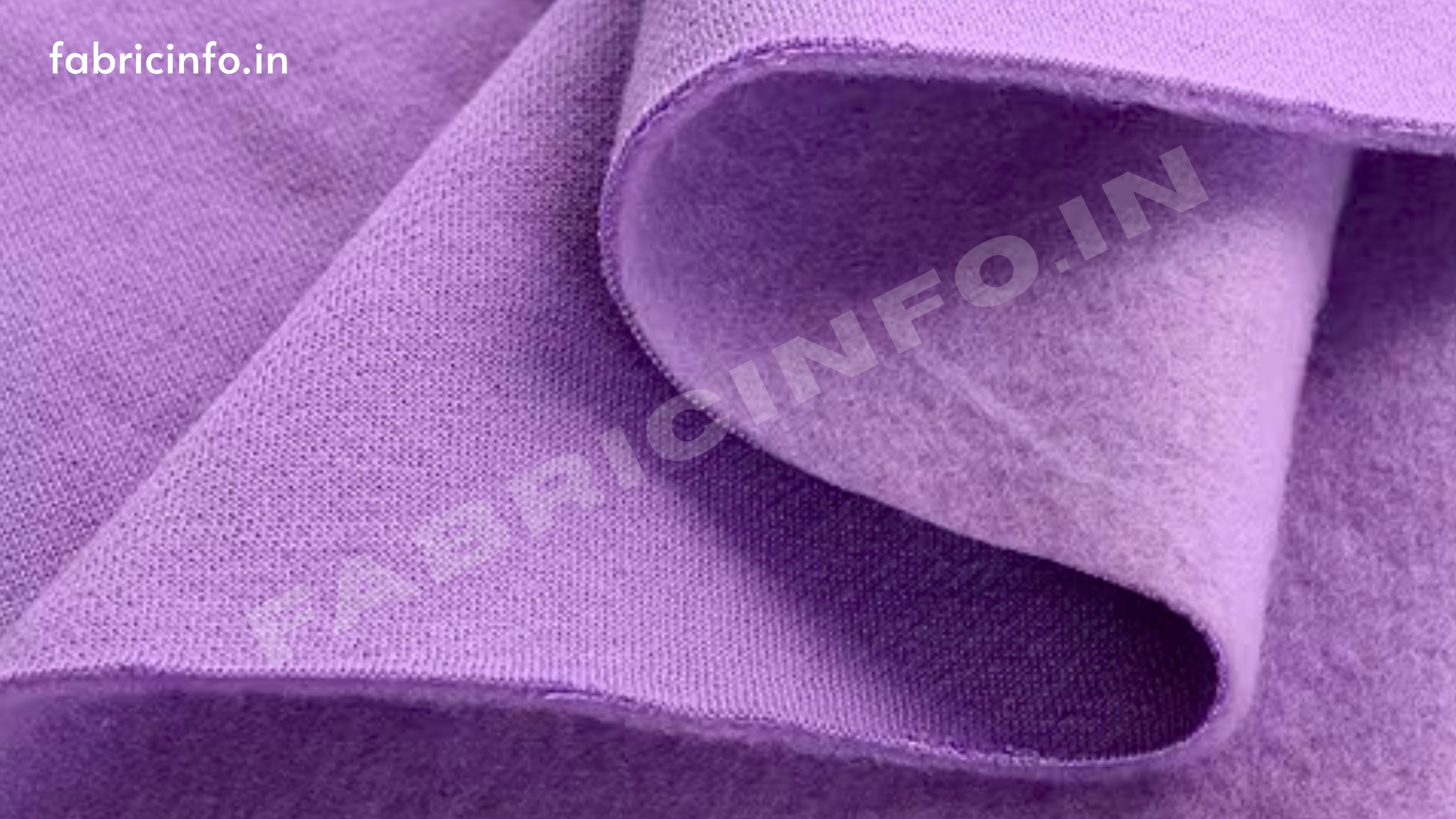
    3. Fleece: This refers to the fabric’s characteristic napped or brushed surface. After the polyester yarn is knitted into a fabric (often a plain knit or French terry base), the surface loops are intentionally brushed, sheared, or fluffed. This process creates a soft, fuzzy pile on one or both sides.

    So, when you put it all together, spun polyester fleece fabric is a knitted material made from short, spun polyester fibres, specifically treated to have a soft, insulating, and fuzzy surface.


    How is Spun Polyester Fleece Made? The Journey from Fibre to Fabric

    The creation of spun polyester fleece involves several key steps, showcasing its nature as a knitted fabric:

    1. Polyester Fibre Production: Polyester chips are melted and extruded through tiny holes (spinnerets) to form continuous filaments. For spun polyester, these filaments are then cut into shorter staple fibres.
    2. Yarn Spinning: These short polyester staple fibres are then spun together to form a cohesive, slightly bulky yarn. This spinning process is crucial for giving the fleece its cotton-like feel.
    3. Knitting: The spun polyester yarn is then fed into circular or flat knitting machines to create a fabric structure. Common base knits include plain jersey or French terry.
    4. Napping/Brushing: This is where the “fleece” comes alive! The knitted fabric passes through machines with rotating wire brushes (napping machines). These brushes gently pull up the fibre ends from the fabric surface, creating the characteristic soft, fuzzy pile. This can be done on one or both sides.
    5. Shearing (Optional): Sometimes, the napped surface is lightly sheared to trim any uneven fibres and create a more uniform pile height.
    6. Anti-Pill Treatment (Optional): A crucial step for quality fleece! Polyester fleece can be prone to “pilling” (forming small balls of fibres on the surface) with wear and washing. Many manufacturers apply an anti-pill treatment during finishing to minimize this.
    7. Finishing: The fabric undergoes other finishing processes like dyeing, washing, and heat-setting to achieve the desired colour, stability, and softness.
    Fleece Brushing Machine in action

    Key Characteristics & Benefits of Spun Polyester Fleece Fabric

    Spun polyester fleece has gained immense popularity, especially in colder climates and for casual wear, thanks to its impressive qualities:

    • Exceptional Warmth without Bulk: This is its standout feature! The brushed surface creates air pockets that trap body heat, providing excellent insulation without being excessively heavy or bulky. It’s lighter than wool but often equally warm.
    • Soft & Comfortable Handfeel: The spinning process and subsequent brushing give it a remarkably soft, cosy, and plush feel against the skin, making it extremely comfortable for everyday wear.
    • Lightweight: Despite its warmth, fleece is surprisingly lightweight, making it ideal for layering and active pursuits.
    • Quick-Drying: As a polyester fabric, it has low absorbency, meaning it dries very quickly. This makes it perfect for activewear, outerwear, and for washing during cooler weather in places like Ludhiana.
    • Moisture-Wicking (to an extent): While not inherently absorbent, fleece can effectively wick moisture (sweat) away from the body to its surface, where it can evaporate. This keeps you dry and comfortable.
    • Durable & Resilient: Polyester is a strong fibre, making fleece resistant to stretching, shrinking, and many chemicals. It holds its shape well over time.
    • Easy Care: Most fleece fabrics are machine washable and don’t require special handling. They resist wrinkles too!
    • Affordable: Compared to natural fibres like wool or cashmere, polyester fleece offers excellent warmth and comfort at a more accessible price point, making it a popular choice across various segments in India.
    • Versatility: Its wide range of applications, from fashion to functional wear, highlights its adaptability.

    Common Uses of Spun Polyester Fleece Fabric in India

    You’ll find spun polyester fleece fabric in a myriad of products, catering to comfort and warmth needs:

    • Sweatshirts & Hoodies: A top choice for everyday casual wear, especially during autumn and winter.
    • Tracksuits & Joggers: Valued for comfort, warmth, and ease of movement during workouts or lounging.
    • Jackets & Vests: Often used as linings or as the primary fabric for light to medium-weight outerwear.
    • Blankets & Throws: Known for their softness and warmth, fleece blankets are a household favourite.
    • Children’s Wear: Popular for its softness, warmth, and easy care, making it ideal for kids’ apparel.
    • Activewear & Loungewear: Provides warmth and comfort for both indoor relaxation and outdoor activities.
    • Gloves, Scarves & Hats: Offers lightweight warmth for accessories.
    Shearing, Anti Pilling, and Brushed Fleece Fabric

    Caring for Your Spun Polyester Fleece

    To ensure your fleece garments last long and retain their softness, follow these simple care tips:

    • Machine Wash Cold/Warm: Use a gentle cycle with cold or warm water. Hot water can damage the fibres over time and increase pilling.
    • Mild Detergent: Avoid harsh detergents or excessive fabric softener, as these can reduce the fabric’s wicking properties.
    • Wash Inside Out: This helps prevent pilling on the outer surface.
    • Avoid Bleach: Bleach can weaken polyester fibres and affect colours.
    • Tumble Dry Low or Air Dry: High heat can melt or damage polyester fibres. Tumble dry on a low setting or, even better, air dry to maintain softness and extend life.
    • Avoid Ironing: Fleece generally doesn’t wrinkle, and direct heat from an iron can melt the fibres.

    The Bottom Line

    Spun polyester fleece fabric truly stands out in the world of knitted textiles. Its unique construction delivers incredible warmth, softness, and durability, all at an affordable price. From keeping you cosy on a chilly evening to being the perfect fabric for your morning jog, fleece continues to be a go-to choice for comfortable and practical clothing and home textiles.

    Understanding fabrics like this empowers you to make smarter choices for your wardrobe and home. Do you have a favourite fleece item? Share your thoughts in the comments below!

    Stay warm and stylish with Knitted Fabric.in!