Welcome back to Fabricinfo.in, your ultimate guide to the world of textiles! As the chill of colder seasons sets in, our quest for warmth becomes paramount.
Today, we’re exploring a remarkable category of materials designed specifically to keep us cozy: Knitted Thermal Insulation Fabrics. These aren’t just any warm fabrics; they are engineered textiles that leverage the unique properties of knitting to trap heat and provide exceptional comfort.
Let’s delve into what makes these fabrics so effective and versatile.
What is Knitted Thermal Insulation Fabric?
At its core, a thermal insulation fabric is designed to reduce heat transfer from a warmer area (your body) to a colder area (the environment). Knitted thermal insulation fabrics achieve this primarily by trapping air.
Air is a poor conductor of heat, making it an excellent insulator. The intricate looping structure of knitted fabrics is inherently adept at creating pockets where air can be held captive.
These fabrics can be made from various fibers, both natural and synthetic, often in blends to optimize performance. The key is their construction and how that construction contributes to thermal regulation.
The Science Behind the Warmth: How it Works
The insulating power of these fabrics stems from a few key principles:
- Air Trapping: The primary mechanism. Knitted structures, especially those with bulkier yarns, brushed surfaces, or multi-layered designs, create countless tiny air pockets. These air pockets act as a barrier, slowing down the rate at which body heat escapes and cold air penetrates.
- Fiber Choice:
- Natural Fibers (e.g., Wool, Cotton): Wool is an excellent natural insulator due to its crimped fibers that trap air. It also has the advantage of retaining some insulating properties even when wet. Cotton can provide warmth but is less effective when damp.
- Synthetic Fibers (e.g., Polyester, Acrylic, Polypropylene): These are often engineered for superior thermal performance. They are lightweight, durable, hydrophobic (water-repelling), and can be processed to create hollow fibers or brushed surfaces that enhance air trapping.
- Fabric Thickness and Density: Generally, a thicker, denser knitted fabric will provide better insulation because it can trap more air. However, modern technologies also focus on achieving warmth with minimal bulk.
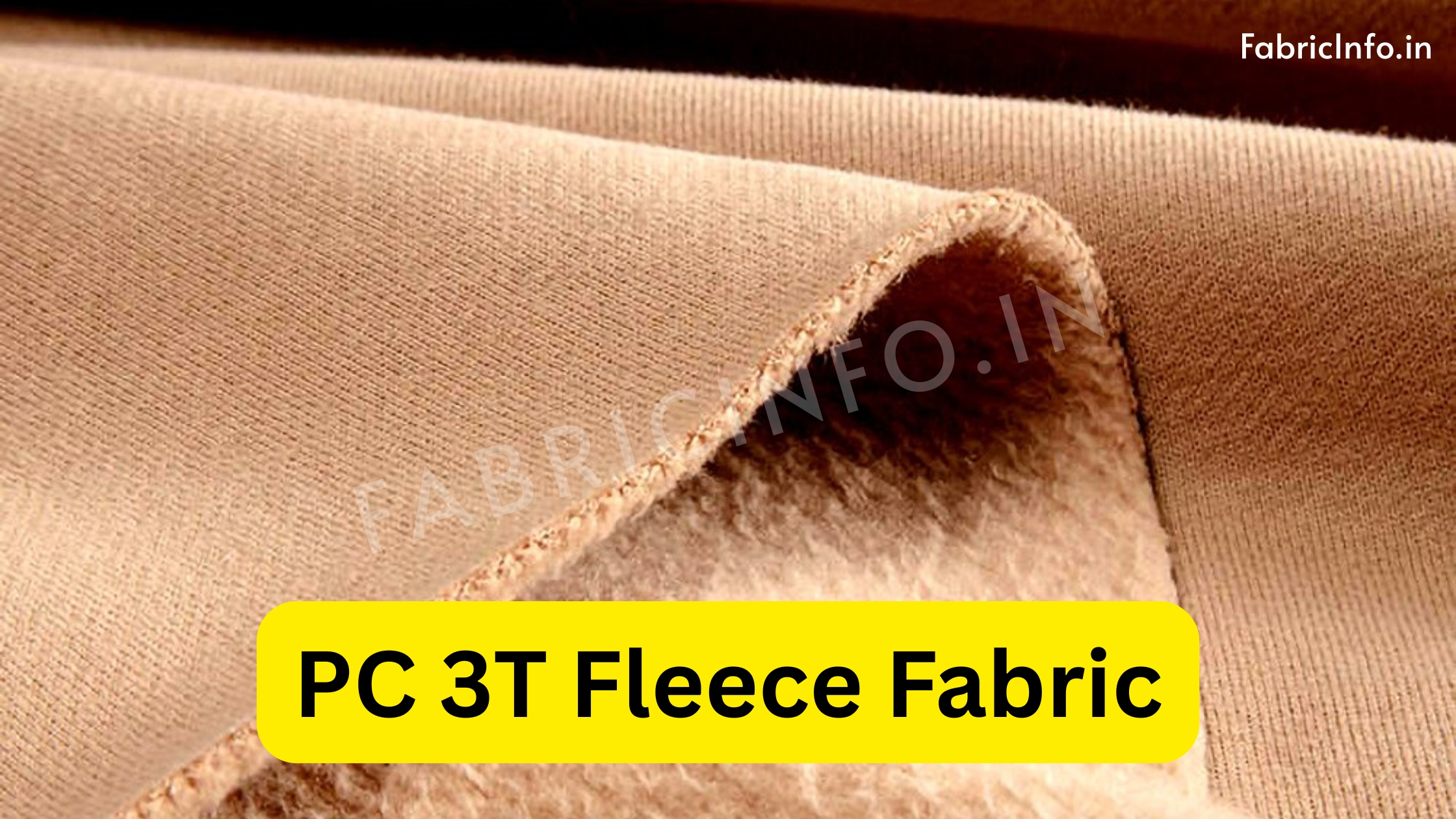
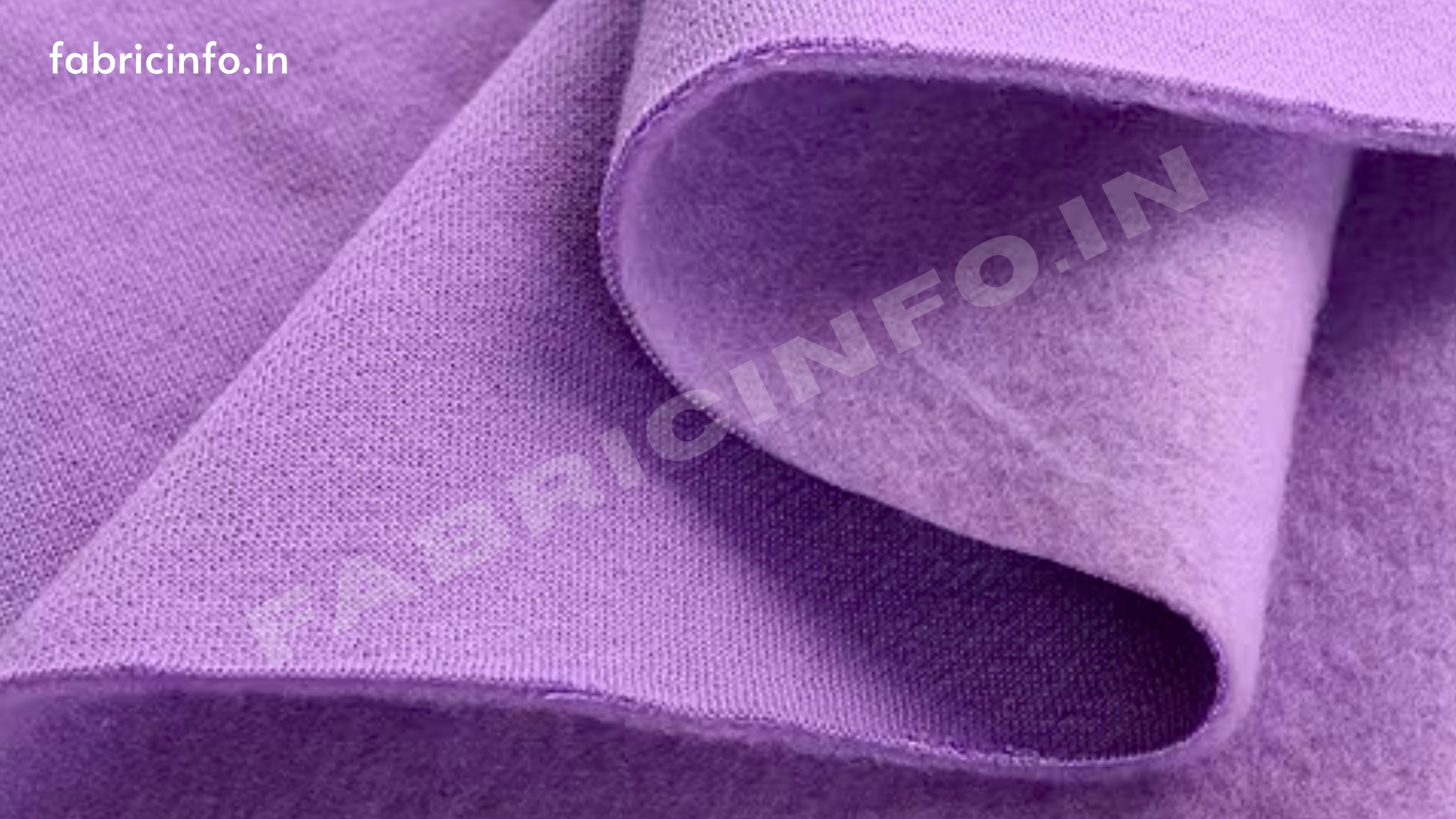
- Surface Finish (Brushing/Napping): Many thermal knits, like fleece, undergo a brushing process on one or both sides. This raises the fiber ends, creating a soft, fuzzy pile that significantly increases the fabric’s ability to trap air and feel warm against the skin.
Types and Structures of Knitted Thermal Insulation Fabrics
The versatility of knitting allows for various constructions, each optimized for specific levels of warmth and application:
- Fleece (Brushed-Back Knit):
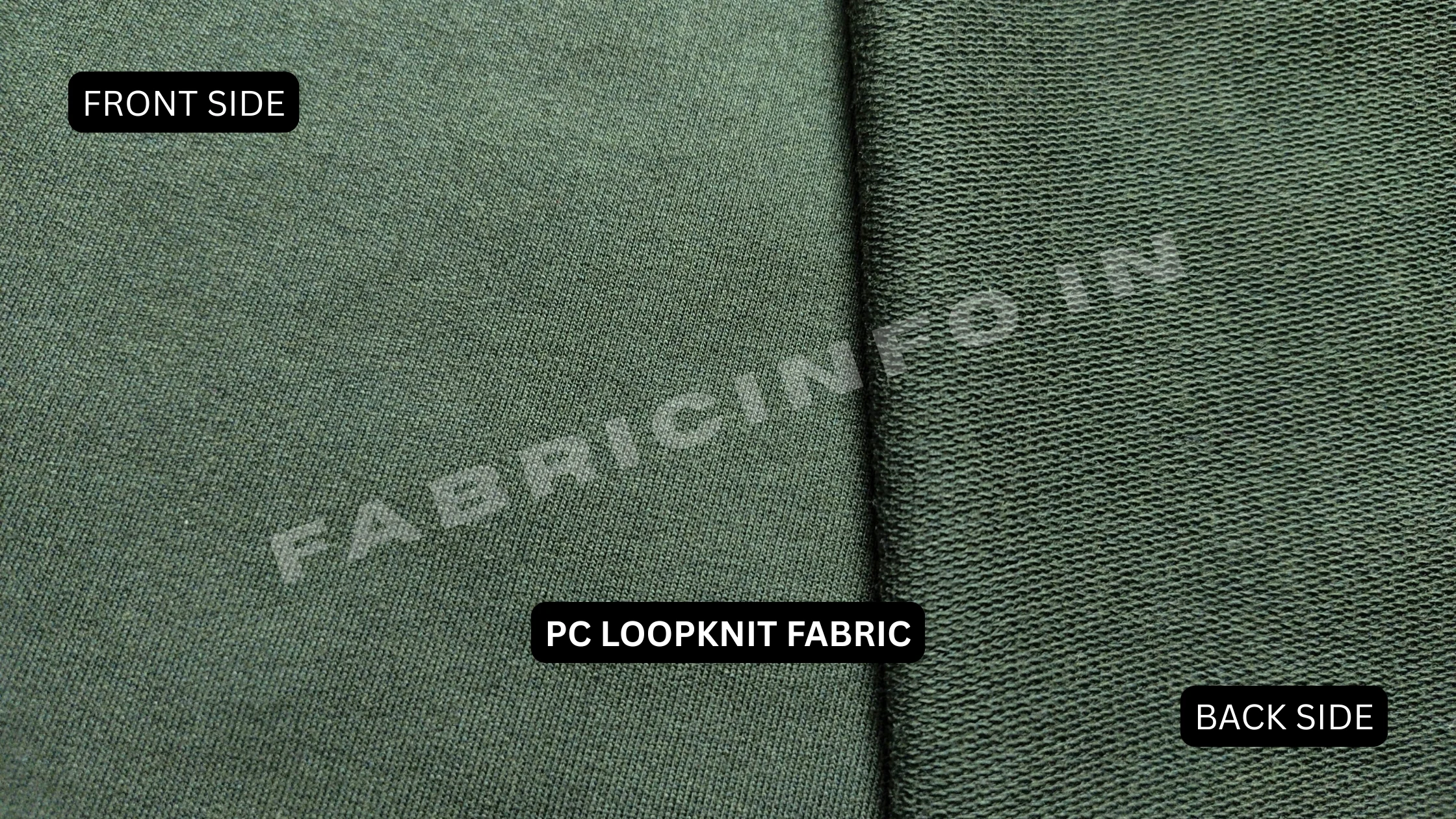
- Description: Perhaps the most common thermal knit. It starts as a loopknit (like French Terry), and then the loops on the back side are heavily brushed to create a dense, soft pile that traps a significant amount of air.
- Examples: PC 3-Thread Fleece, Microfleece, Polar Fleece.
- Characteristics: Excellent warmth-to-weight ratio, very soft, relatively quick-drying (especially polyester versions), durable.
- Uses: Hoodies, sweatshirts, sweatpants, jackets, blankets, linings.
- Rib Knits:
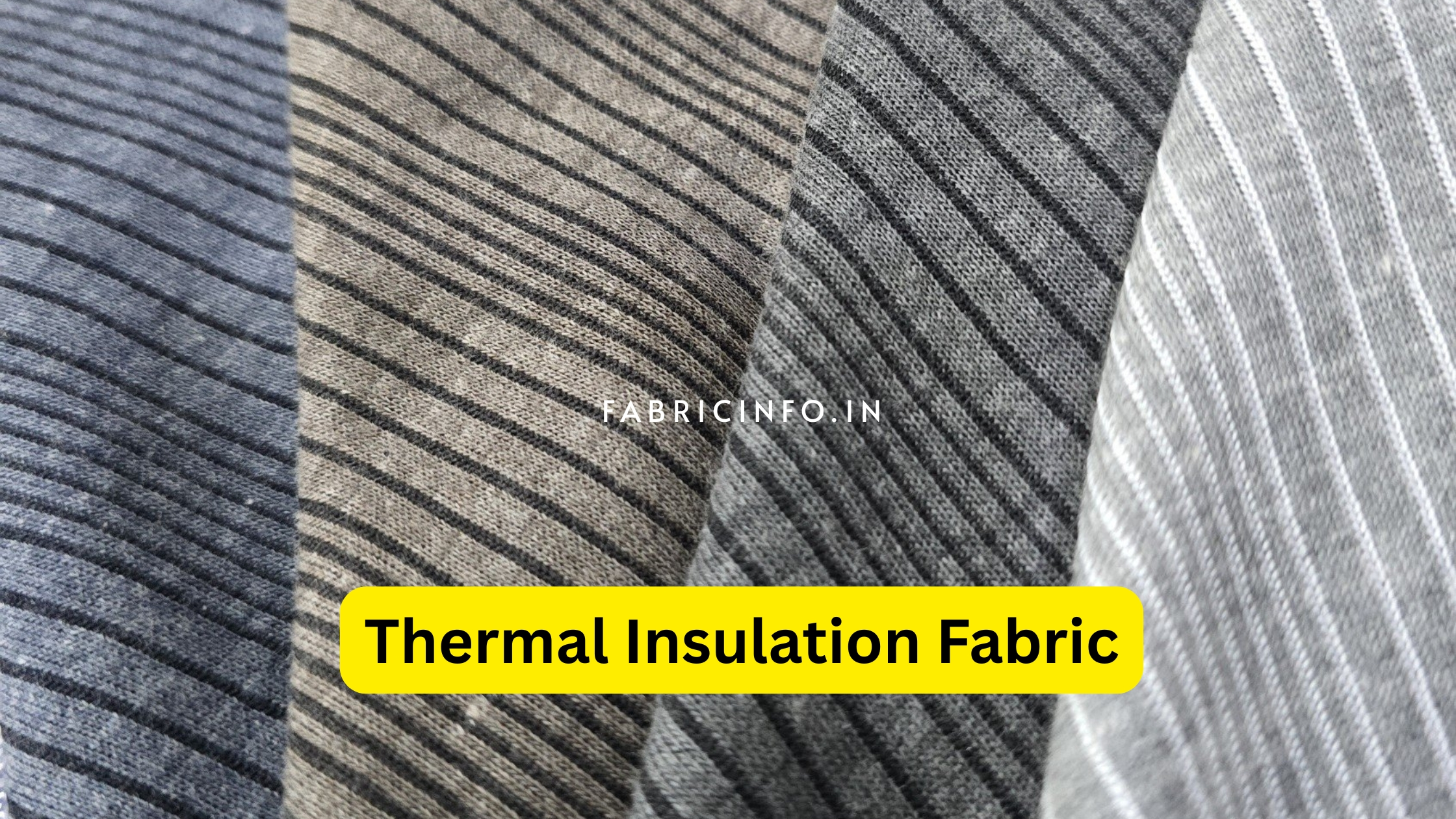
- Description: Characterized by vertical columns of stitches that create a textured, stretchy fabric. The inherent thickness and raised channels can trap air, offering good insulation, especially in thicker gauges.
- Characteristics: High elasticity and excellent recovery, comfortable, durable.
- Uses: Sweaters, cuffs, collars, base layers, children’s wear.
- Interlock Knits:
- Description: A double-knit fabric where two single knits are interlocked. This creates a fabric that is essentially two layers of jersey knit joined together, making it thicker and more stable than a single jersey.
- Characteristics: Smooth on both sides, very stable, less likely to curl, good insulation due to double layer.
- Uses: Quality t-shirts, polo shirts, children’s wear, some base layers.
- Waffle Knits (Thermal Knits):
- Description: Named for its characteristic three-dimensional grid or “waffle” texture. This structure creates air pockets within the recessed squares.
- Characteristics: Excellent air-trapping capabilities, good stretch, soft, absorbent.
- Uses: Classic thermal underwear, long johns, casual tops, blankets.
- Double Knits (General):
- Description: A broad category of knits where two sets of needles create two layers of fabric that are often interlocked. This naturally results in a thicker, more stable fabric.
- Examples: Ponte di Roma, Scuba (can be insulating due to density).
- Characteristics: Good body, less prone to stretching out of shape, can offer significant warmth.
- Uses: Heavier dresses, structured tops, jackets, activewear.
Fiber Blends for Optimal Performance
To achieve the perfect balance of warmth, comfort, durability, and moisture management, knitted thermal fabrics often use blends:
- Polyester-Cotton (PC): Combines the softness and breathability of cotton with the durability and quick-drying properties of polyester. (e.g., PC 3T Fleece)
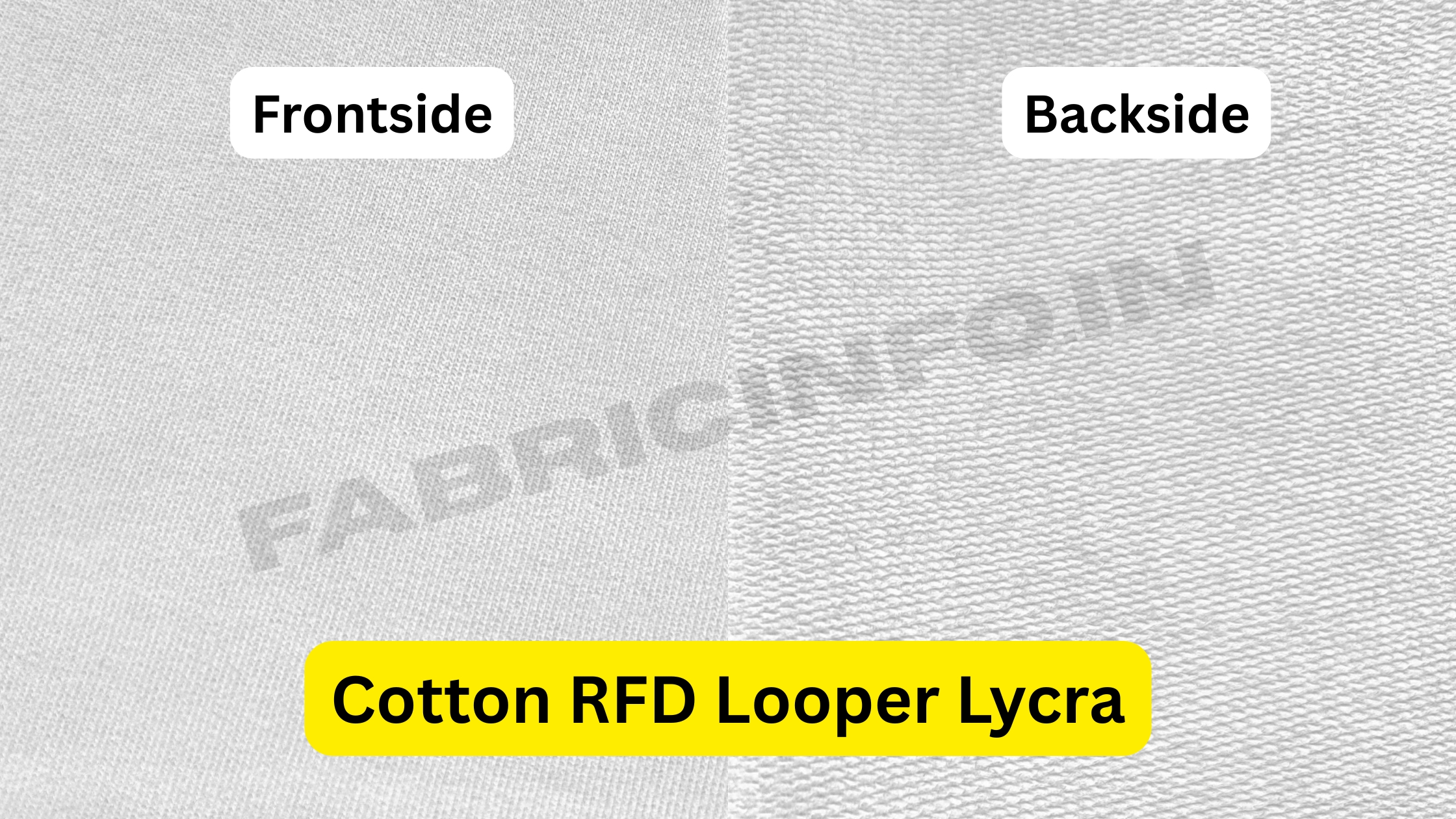
- Polyester-Spandex/Lycra: Adds stretch and shape retention, crucial for form-fitting thermal base layers.
- Wool Blends: Wool provides natural warmth and moisture-wicking; blending with synthetics can improve durability and reduce itchiness.
- Specialty Synthetics: Brands often use proprietary hollow-core fibers or advanced polyester variants that mimic natural insulation while being lightweight and hydrophobic.
Applications Across Industries
Knitted thermal insulation fabrics are indispensable in a wide array of products:
- Apparel:
- Base Layers (Thermals): Worn directly against the skin to wick moisture and provide initial warmth.
- Mid-Layers: Fleece jackets, sweaters, and hoodies that add a layer of insulation over a base layer.
- Loungewear & Sleepwear: For ultimate comfort and warmth at home.
- Activewear & Outdoor Gear: Essential for sports in cold conditions, hiking, and mountaineering.
- Home Textiles: Blankets, throws, and even some mattress toppers for added warmth.
- Accessories: Hats, scarves, gloves, and headbands.
Caring for Your Thermal Knits
Care instructions will depend on the fiber content, but general tips to maintain insulating properties include:
- Washing: Wash in cold or warm water on a gentle cycle. Turning garments inside out can protect brushed surfaces.
- Detergent: Use a mild detergent. Avoid fabric softeners with fleece, as they can reduce its air-trapping ability over time.
- Drying: Tumble dry on a low heat setting or air dry. High heat can damage synthetic fibers and cause shrinkage in natural fibers.
- Avoid Ironing: Especially for brushed fabrics like fleece, ironing can flatten the pile and reduce its insulating effectiveness.
Conclusion
Knitted thermal insulation fabrics are marvels of textile engineering, demonstrating how smart construction and fiber selection can create warmth and comfort without excessive bulk. From the plush softness of a fleece hoodie to the subtle texture of a waffle knit thermal, these fabrics play a crucial role in keeping us comfortable in cooler climates. Understanding their properties helps us appreciate the science behind our favorite cozy garments.
Stay warm, and keep exploring the wonderful world of fabrics with Fabricinfo.in!