Author: somani.damodar

  • Spun Polyester Fleece Fabric: Your Go-To Guide for Warmth, Comfort, and Versatility

    Spun Polyester Fleece Fabric: Your Go-To Guide for Warmth, Comfort, and Versatility

    Welcome back to Knitted Fabric.in! As textile enthusiasts and consumers in India, we’re always on the lookout for fabrics that offer the perfect blend of comfort, warmth, and practicality. One such fabric that has become a staple in wardrobes across the country, especially during cooler months, is spun polyester fleece fabric.

    You’ve undoubtedly encountered it in countless forms – from cosy blankets and hoodies to soft tracksuits and activewear. But what exactly is spun polyester fleece, and what makes it such a popular choice? Let’s unravel the secrets of this incredibly versatile knitted fabric.


    What is Spun Polyester Fleece Fabric?

    At its core, spun polyester fleece fabric is a type of knitted fabric made from polyester fibres that have undergone a “spinning” process. Let’s break that down:

    1. Polyester: This is a synthetic (man-made) fibre. It’s known for its durability, resistance to shrinking and stretching, quick-drying properties, and ability to hold dyes well.
    2. Spun: Unlike filament polyester (which is a continuous, smooth strand), “spun” polyester means the polyester fibres are first cut into short lengths (called staple fibres), then spun together to create a yarn, much like how natural fibres like cotton are spun. This gives the yarn a softer, more textured, and less slippery feel.
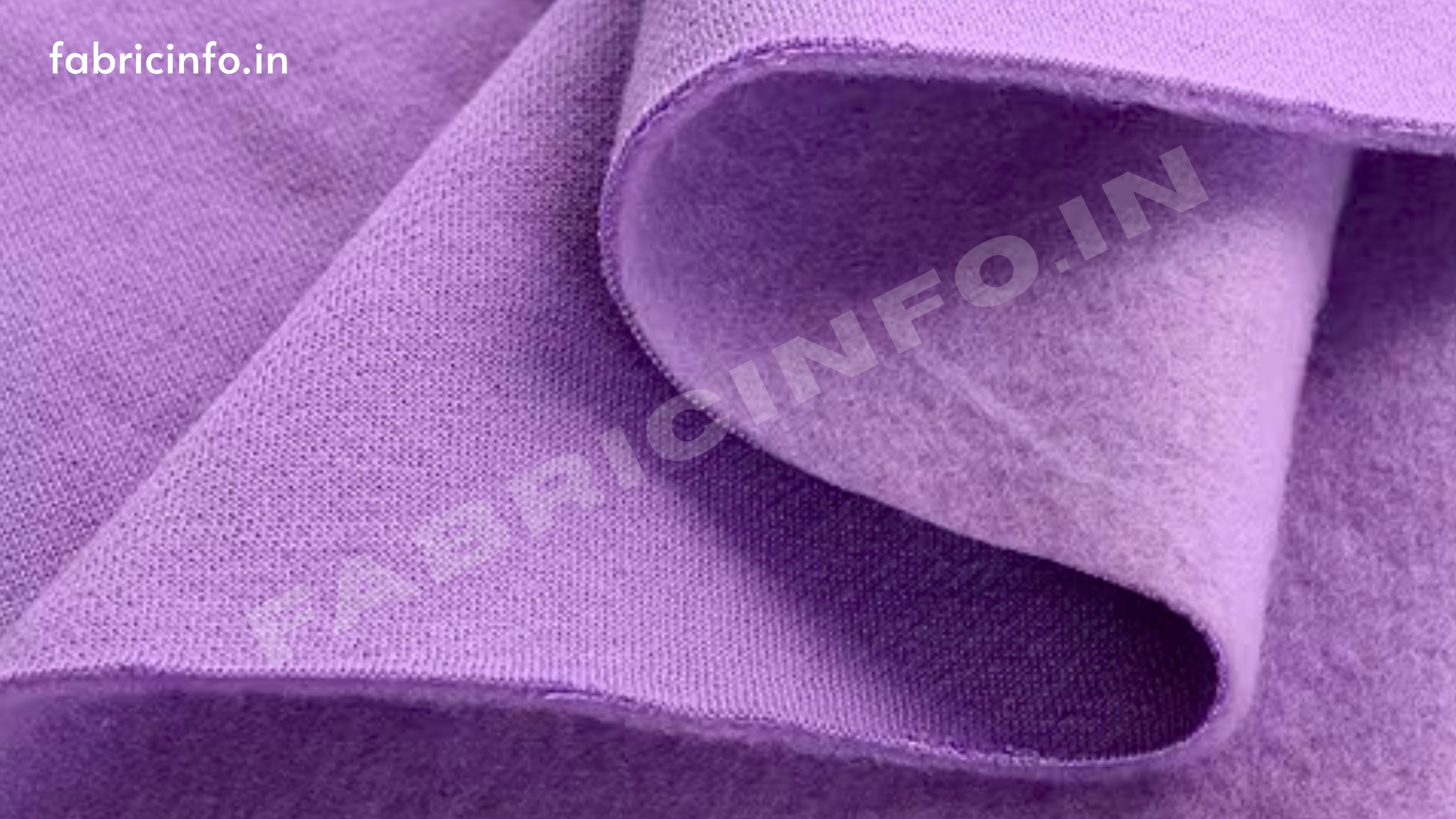
    3. Fleece: This refers to the fabric’s characteristic napped or brushed surface. After the polyester yarn is knitted into a fabric (often a plain knit or French terry base), the surface loops are intentionally brushed, sheared, or fluffed. This process creates a soft, fuzzy pile on one or both sides.

    So, when you put it all together, spun polyester fleece fabric is a knitted material made from short, spun polyester fibres, specifically treated to have a soft, insulating, and fuzzy surface.


    How is Spun Polyester Fleece Made? The Journey from Fibre to Fabric

    The creation of spun polyester fleece involves several key steps, showcasing its nature as a knitted fabric:

    1. Polyester Fibre Production: Polyester chips are melted and extruded through tiny holes (spinnerets) to form continuous filaments. For spun polyester, these filaments are then cut into shorter staple fibres.
    2. Yarn Spinning: These short polyester staple fibres are then spun together to form a cohesive, slightly bulky yarn. This spinning process is crucial for giving the fleece its cotton-like feel.
    3. Knitting: The spun polyester yarn is then fed into circular or flat knitting machines to create a fabric structure. Common base knits include plain jersey or French terry.
    4. Napping/Brushing: This is where the “fleece” comes alive! The knitted fabric passes through machines with rotating wire brushes (napping machines). These brushes gently pull up the fibre ends from the fabric surface, creating the characteristic soft, fuzzy pile. This can be done on one or both sides.
    5. Shearing (Optional): Sometimes, the napped surface is lightly sheared to trim any uneven fibres and create a more uniform pile height.
    6. Anti-Pill Treatment (Optional): A crucial step for quality fleece! Polyester fleece can be prone to “pilling” (forming small balls of fibres on the surface) with wear and washing. Many manufacturers apply an anti-pill treatment during finishing to minimize this.
    7. Finishing: The fabric undergoes other finishing processes like dyeing, washing, and heat-setting to achieve the desired colour, stability, and softness.
    Fleece Brushing Machine in action

    Key Characteristics & Benefits of Spun Polyester Fleece Fabric

    Spun polyester fleece has gained immense popularity, especially in colder climates and for casual wear, thanks to its impressive qualities:

    • Exceptional Warmth without Bulk: This is its standout feature! The brushed surface creates air pockets that trap body heat, providing excellent insulation without being excessively heavy or bulky. It’s lighter than wool but often equally warm.
    • Soft & Comfortable Handfeel: The spinning process and subsequent brushing give it a remarkably soft, cosy, and plush feel against the skin, making it extremely comfortable for everyday wear.
    • Lightweight: Despite its warmth, fleece is surprisingly lightweight, making it ideal for layering and active pursuits.
    • Quick-Drying: As a polyester fabric, it has low absorbency, meaning it dries very quickly. This makes it perfect for activewear, outerwear, and for washing during cooler weather in places like Ludhiana.
    • Moisture-Wicking (to an extent): While not inherently absorbent, fleece can effectively wick moisture (sweat) away from the body to its surface, where it can evaporate. This keeps you dry and comfortable.
    • Durable & Resilient: Polyester is a strong fibre, making fleece resistant to stretching, shrinking, and many chemicals. It holds its shape well over time.
    • Easy Care: Most fleece fabrics are machine washable and don’t require special handling. They resist wrinkles too!
    • Affordable: Compared to natural fibres like wool or cashmere, polyester fleece offers excellent warmth and comfort at a more accessible price point, making it a popular choice across various segments in India.
    • Versatility: Its wide range of applications, from fashion to functional wear, highlights its adaptability.

    Common Uses of Spun Polyester Fleece Fabric in India

    You’ll find spun polyester fleece fabric in a myriad of products, catering to comfort and warmth needs:

    • Sweatshirts & Hoodies: A top choice for everyday casual wear, especially during autumn and winter.
    • Tracksuits & Joggers: Valued for comfort, warmth, and ease of movement during workouts or lounging.
    • Jackets & Vests: Often used as linings or as the primary fabric for light to medium-weight outerwear.
    • Blankets & Throws: Known for their softness and warmth, fleece blankets are a household favourite.
    • Children’s Wear: Popular for its softness, warmth, and easy care, making it ideal for kids’ apparel.
    • Activewear & Loungewear: Provides warmth and comfort for both indoor relaxation and outdoor activities.
    • Gloves, Scarves & Hats: Offers lightweight warmth for accessories.
    Shearing, Anti Pilling, and Brushed Fleece Fabric

    Caring for Your Spun Polyester Fleece

    To ensure your fleece garments last long and retain their softness, follow these simple care tips:

    • Machine Wash Cold/Warm: Use a gentle cycle with cold or warm water. Hot water can damage the fibres over time and increase pilling.
    • Mild Detergent: Avoid harsh detergents or excessive fabric softener, as these can reduce the fabric’s wicking properties.
    • Wash Inside Out: This helps prevent pilling on the outer surface.
    • Avoid Bleach: Bleach can weaken polyester fibres and affect colours.
    • Tumble Dry Low or Air Dry: High heat can melt or damage polyester fibres. Tumble dry on a low setting or, even better, air dry to maintain softness and extend life.
    • Avoid Ironing: Fleece generally doesn’t wrinkle, and direct heat from an iron can melt the fibres.

    The Bottom Line

    Spun polyester fleece fabric truly stands out in the world of knitted textiles. Its unique construction delivers incredible warmth, softness, and durability, all at an affordable price. From keeping you cosy on a chilly evening to being the perfect fabric for your morning jog, fleece continues to be a go-to choice for comfortable and practical clothing and home textiles.

    Understanding fabrics like this empowers you to make smarter choices for your wardrobe and home. Do you have a favourite fleece item? Share your thoughts in the comments below!

    Stay warm and stylish with Knitted Fabric.in!
  • The Unbeatable Comfort and Versatility of Cotton RFD Looper Lycra Fabric

    The Unbeatable Comfort and Versatility of Cotton RFD Looper Lycra Fabric

    Welcome back to Fabricinfo.in, your go-to source for understanding the world of textiles! Today, we’re diving deep into a fabric that’s become a cornerstone of modern comfort and style: Cotton RFD Looper Lycra. If you’ve ever wondered what makes your favorite hoodie so cozy yet perfectly fitted, or your loungewear so comfortable and durable, chances are this versatile blend is behind it.

    Let’s break down this intriguing fabric name to truly appreciate its unique characteristics.

    Deconstructing the Name: What is Cotton RFD Looper Lycra?

    1. Cotton: At its core, this fabric harnesses the natural goodness of cotton. Cotton is celebrated globally for its exceptional softness, breathability, and hypoallergenic properties. It’s gentle on the skin, excellent at absorbing moisture, and offers a natural, comfortable feel that synthetic fibers often struggle to replicate.
    2. RFD (Ready For Dyeing): This is a crucial designation for manufacturers and designers. “Ready For Dyeing” means the fabric has undergone specific pre-treatment processes – typically scouring and bleaching – to remove natural impurities, waxes, and sizing agents. This prepares the fabric to uniformly absorb and retain dyes, ensuring vibrant, consistent colors without needing extensive in-house pre-processing. For brands, this translates to efficiency and predictable results.
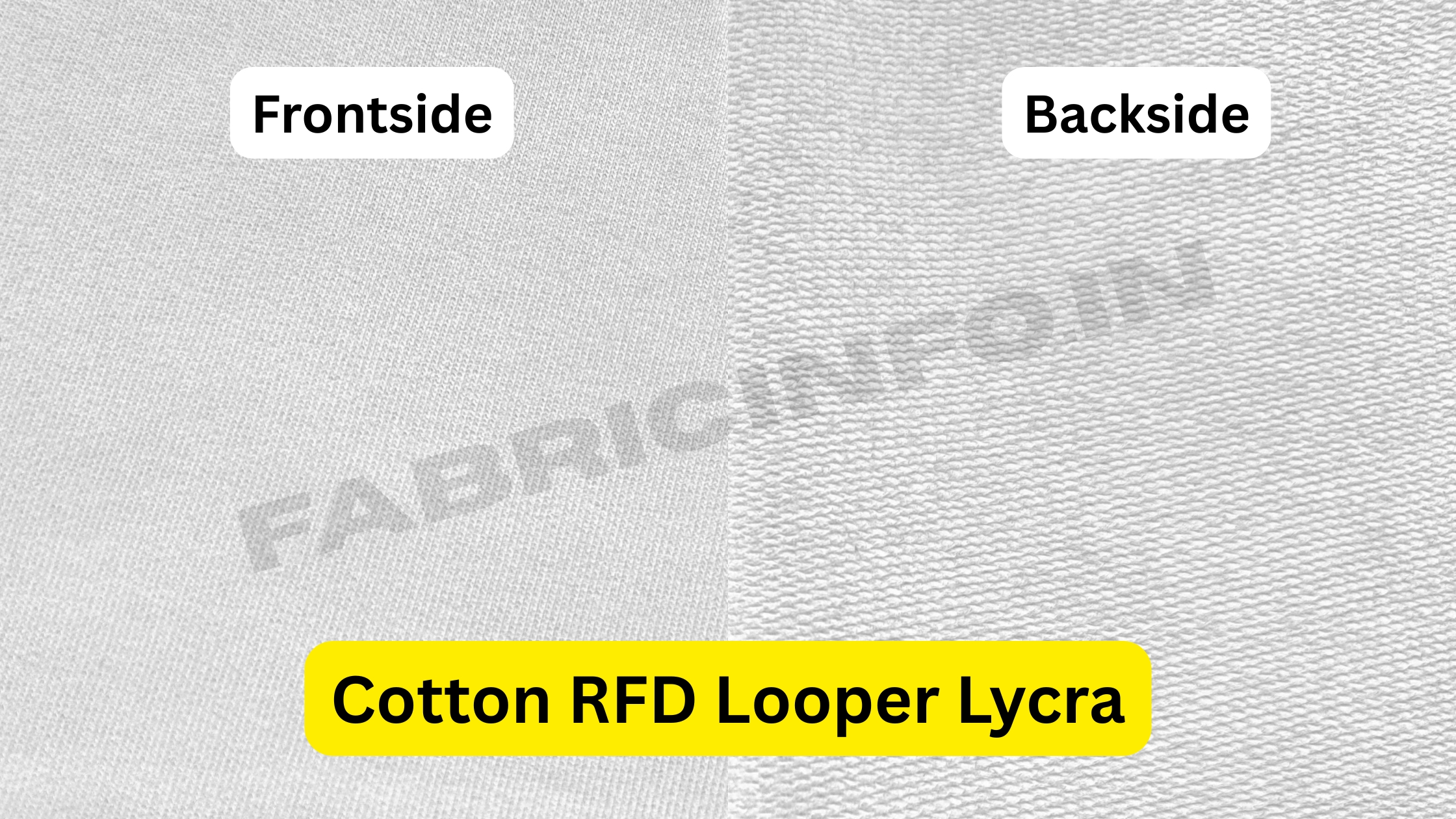
    3. Looper (or Loopknit / French Terry): This refers to the knitting construction. Looper fabric, often synonymous with loopknit or French Terry, is a type of circular knit fabric. Its defining feature is the presence of unbrushed loops on the back side of the fabric. While the face looks smooth and flat, the reverse side has soft, absorbent loops. This unique structure provides:
      • Comfort: The loops create a soft, plush feel against the skin.
      • Absorption: Excellent moisture-wicking capabilities, making it ideal for activewear.
      • Insulation: The loops trap air, providing warmth without excessive bulk, making it suitable for transitional weather.
      • Structure: It offers a certain drape and body, distinguishing it from thinner jersey knits.
    4. Lycra (Elastane / Spandex): The magic ingredient for stretch! Lycra, also known by its generic names Elastane or Spandex, is a synthetic fiber renowned for its exceptional elasticity. Even a small percentage of Lycra (typically 3-10%) significantly enhances the fabric’s properties:
      • Stretch & Recovery: Allows the fabric to stretch considerably and then snap back to its original shape, preventing bagging or sagging.
      • Fit & Comfort: Provides a comfortable, non-restrictive fit that moves with the body.
      • Shape Retention: Ensures garments maintain their silhouette even after repeated wear and washing.

    Key Properties and Characteristics

    When you combine these elements, you get a fabric with an impressive array of benefits:

    • Superior Comfort & Softness: The cotton base coupled with the loopknit construction makes for an incredibly soft and cozy feel.
    • Excellent Stretch & Recovery: Thanks to Lycra, garments made from this fabric offer unrestricted movement and maintain their shape over time.
    • Breathable & Absorbent: The cotton content ensures good airflow, while the loops on the reverse enhance moisture absorption, keeping the wearer comfortable.
    • Durable: The combination of natural and synthetic fibers contributes to the fabric’s resilience against wear and tear.
    • Versatile: Its unique blend of properties makes it suitable for a wide range of applications.
    • Ready for Customization: The RFD treatment means it’s a blank canvas, ready to be dyed in any color imaginable, making it a favorite for fashion brands.

    Manufacturing Process (Briefly)

    The creation of Cotton RFD Looper Lycra involves:

    1. Yarn Blending: Cotton and Lycra (often as a core-spun yarn for better integration) are prepared.
    2. Knitting: These yarns are fed into circular knitting machines to create the distinctive loopknit structure.
    3. RFD Treatment: The greige (raw) fabric undergoes a thorough cleaning, scouring, and bleaching process to make it RFD.
    4. Finishing: The fabric is then processed to achieve the desired hand-feel, width, and stability.

    You can ask for exact yarn blending, manufacturing process, and finishing quality from your Cotton RFD Looper Lycra supplier for better understanding.

    Common Uses and Applications

    Given its comfort, stretch, and aesthetic appeal, Cotton RFD Looper Lycra is a staple in many wardrobes and product lines:

    • Activewear & Sportswear: Joggers, sweatpants, hoodies, athletic shorts, and tracksuits benefit from its stretch, breathability, and comfort.
    • Casual Wear: Oversized t-shirts, comfortable pullovers, loungewear sets, and casual dresses.
    • Baby & Kids Clothing: Its softness, stretch, and ease of care make it ideal for delicate skin.
    • Sleepwear & Home Apparel: Provides unparalleled comfort for relaxing at home.

    Caring for Your Cotton RFD Looper Lycra Garments

    To ensure the longevity of items made from this fantastic fabric:

    • Washing: Machine wash in cold or warm water with similar colors.
    • Detergent: Use a mild detergent.
    • Bleach: Avoid chlorine bleach, as it can damage the Lycra fibers.
    • Drying: Tumble dry on low heat or line dry to preserve elasticity and prevent shrinkage.
    • Ironing: If needed, iron on a low-to-medium setting. Avoid direct heat on prints or embellishments.

    Conclusion

    Cotton RFD Looper Lycra is more than just a fabric; it’s a testament to how natural fibers and modern synthetics can combine to create something truly exceptional. Its blend of comfort, stretch, durability, and readiness for vibrant dyeing makes it an indispensable material for designers, manufacturers, and consumers alike. Whether you’re lounging at home, hitting the gym, or stepping out in casual style, chances are you’ll appreciate the seamless blend of function and fashion that Cotton RFD Looper Lycra offers.

    Stay tuned to Fabricinfo.in for more fabric deep dives!

  • PC Loopknit Fabric: Blending Comfort and Durability

    PC Loopknit Fabric: Blending Comfort and Durability

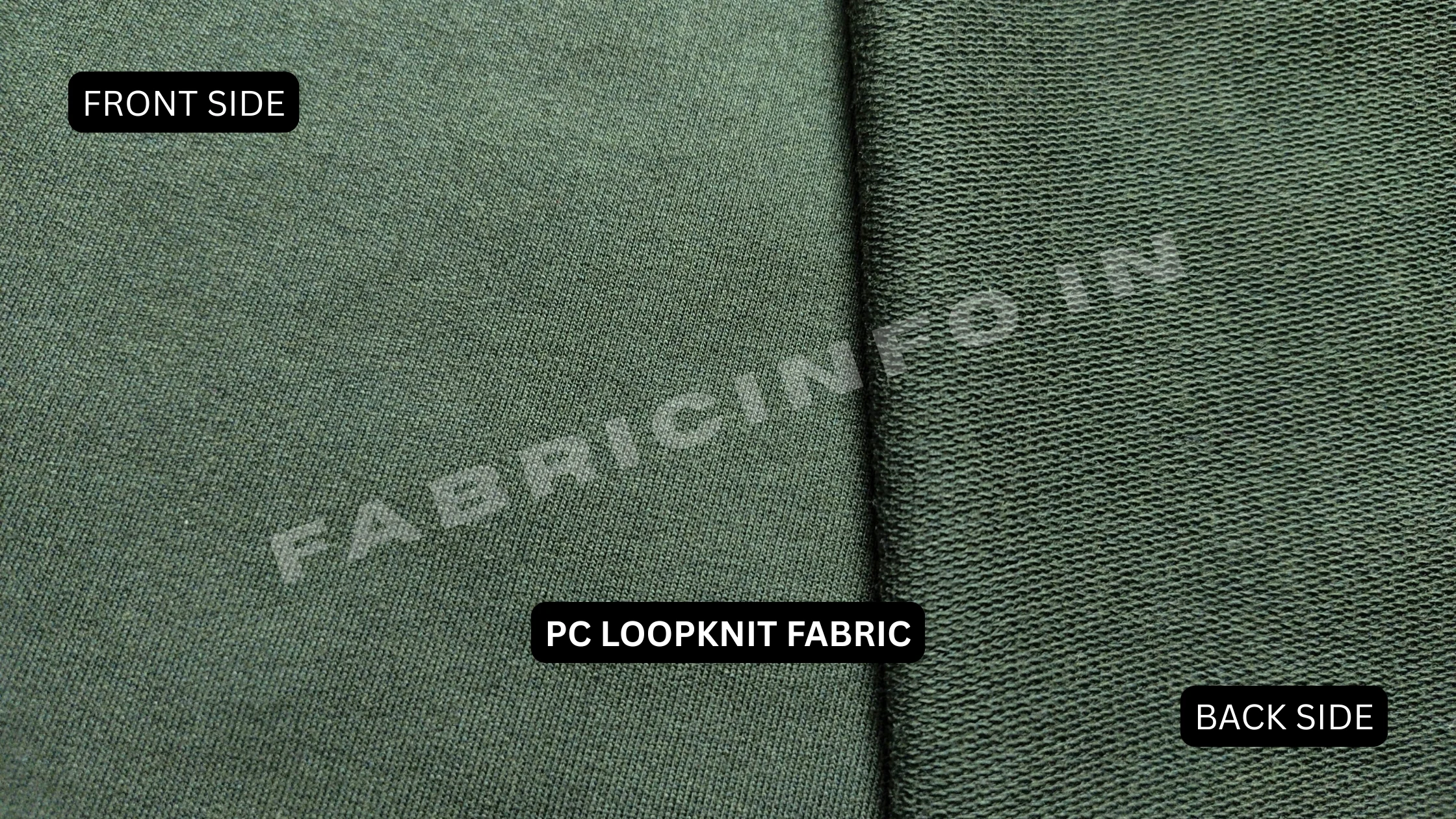
    In the vast landscape of knitted textiles, PC Loopknit fabric stands out as a highly versatile and popular material, particularly prevalent in the casual wear and activewear segments. The “PC” in its name signifies its composition: a blend of Polyester (P) and Cotton (C). “Loopknit” refers to its construction, which is a type of circular-knitted fabric also commonly known as French Terry or simply Terry fabric (when the loops are more prominent and absorbent).

    This ingenious combination leverages the strengths of both natural and synthetic fibers, resulting in a fabric that offers a compelling balance of comfort, durability, and practicality.

    The Fabric’s Unique Structure

    At its core, PC Loopknit is a circular-knitted fabric. This means it’s created by interlooping a single yarn horizontally across the fabric. What differentiates it from a simple jersey knit is the presence of unbrushed loops on the back side of the fabric. These loops are what give Loopknit its characteristic soft, sometimes slightly textured feel, and contribute significantly to its properties.

    While the face of the fabric often appears smooth and relatively flat, similar to a jersey, the looped back side provides insulation and moisture absorption. This duality in texture and function is a key reason for its widespread use.

    Key Properties and Advantages

    The blend of polyester and cotton bestows PC Loopknit with a range of desirable characteristics:

    • Comfort and Softness: The cotton component contributes to the fabric’s natural softness, breathability, and comfortable feel against the skin. The loops on the back further enhance this plush sensation.
    • Durability and Strength: Polyester brings remarkable strength, wrinkle resistance, and dimensional stability to the blend. It helps the fabric retain its shape, resist shrinking, and withstand frequent washing and wear, making garments long-lasting.
    • Moisture Management: While cotton is absorbent, polyester has good moisture-wicking properties. This blend often results in a fabric that can absorb moisture from the body and help it evaporate, contributing to comfort, especially in activewear.
    • Wrinkle Resistance: The polyester content significantly reduces wrinkling, making PC Loopknit garments relatively low-maintenance and travel-friendly.
    • Versatility: Its balanced properties make it suitable for a wide array of garments and applications across different seasons.
    • Easy Care: PC Loopknit fabrics are generally easy to care for and can be machine washed and dried, making them practical for everyday use.
    • Color Fastness: Polyester inherently holds dye well, contributing to good color retention and resistance to fading.
    • Affordability: Compared to 100% cotton alternatives, PC blends can often offer a more cost-effective solution without significantly compromising on comfort or performance.

    Common Uses and Applications of PC Loopknit Fabric

    The balanced properties of PC Loopknit make it a go-to fabric for numerous garment categories:

    • Sweatshirts and Hoodies: This is perhaps its most iconic application. The soft loops provide warmth and comfort, while the blend ensures durability and shape retention.
    • Sweatpants, Joggers, and Lowers: The stretch, comfort, and durability are ideal for casual bottoms and activewear.
    • Oversized and Dropshoulder T-shirts: Especially for a more substantial feel than typical jersey, PC Loopknit offers a comfortable and durable option.
    • Casual Dresses and Skirts: Its drape and comfort make it suitable for relaxed yet stylish apparel.
    • Loungewear and Sleepwear: The softness and breathability contribute to a comfortable experience.
    • Baby and Kids’ Clothing: The softness, durability, and ease of care are highly valued for children’s wear.

    Considerations While Buying PC Loopknit Fabric

    While PC Loopknit offers many advantages, some factors to consider might include:

    • Breathability (compared to 100% cotton): Depending on the polyester content, a very high polyester blend might feel slightly less breathable than 100% cotton in extremely hot and humid conditions, though it still offers good moisture management.
    • Hand Feel Variation: The exact ratio of polyester to cotton (e.g., 52% Cotton 48% Polyester, 60% Cotton 40% Polyester, 80% Cotton 20% Polyester) will influence the final hand feel, with higher cotton content leading to a softer, more natural feel, and higher polyester contributing more to durability and wrinkle resistance.

    In essence, PC Loopknit fabric represents a smart textile solution that combines the best attributes of cotton and polyester through its looped knitted structure. Its inherent comfort, durability, and ease of care make it a staple in the textile industry, particularly for creating comfortable, long-lasting, and versatile casual and activewear garments. Make sure to check all the required details from suppliers of PC Loopknit Fabric before buying it.